Rhapis multifida
Elegant multi-stem palm ideal for interiors
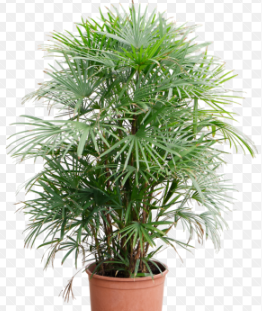
Habit
Perennial palm
Height
1–3 m
Growth
Slow
Soil
Well-drained loam
Shade
Partial Shade
Moisture
Moderate
Edible
No
Medicinal
No
Origin
China
Climatic Condition
Subtropical
Temperature (°)
15-30
Humidity (%)
50-70%
Potting media
Soil+Sand
Fertilizers
Balanced NPK
Watering
Regular
Plant Weight
10–15 kg
Flowering Time
Rare
Soil Ph level
6.0–7.0
Water Ph level
6.5–7.5
Soil EC
Low
Yield Per Plant
Foliage
NPK ratio
10:10:10
life Span
20+ yrs
Health Benefits
Air purification
Suggested Grow Media or Potting Mix ?
40% soil, 30% sand, 30% compost
Suggested Fertigation/Fertilizers
Monthly
Fertilize every 3 weeksCommon Diseases and Remedies
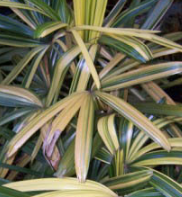
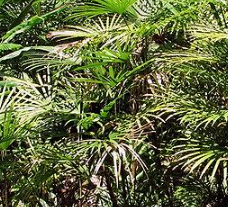
Common Diseases
root rot, leaf spot, pink rot, ganoderma butt rot, scale insects, mealybugs and spider mites
Symptoms
yellowing or browning fronds, wilting, soft or decaying roots, brown or black leaf spots, stem or base rot, frond collapse, sticky honeydew, cottony masses and fine webbing
Organic Remedies
ensure well-drained soil and avoid overwatering, remove and destroy infected fronds, maintain good air circulation and partial shade, keep the base dry, apply neem oil or insecticidal soap for pests