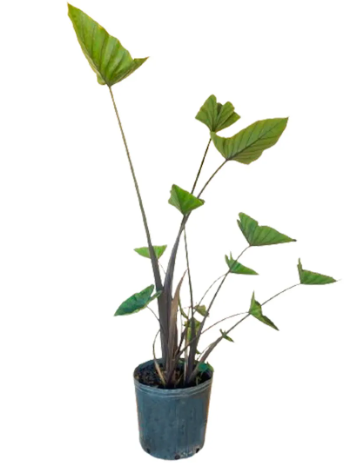
Alocasia Teacup
A compact Alocasia hybrid with upward-facing, cup-like glossy leaves, grown as an ornamental houseplant for its unique foliage and air-purifying qualities.
Habit
Perennial
Height
0.6-1 m
Growth
Moderate
Soil
Rich, Well-drained
Shade
Partial to Full Shade
Moisture
Medium, Consistent
Edible
No
Medicinal
No
Origin
Horticultural Hybrid
Climatic Condition
Tropical
Temperature (°)
18–28°C
Humidity (%)
60–80%
Potting media
Peat+Perlite+Coir
Fertilizers
Balanced, Slow-Release
Watering
Regular, Keep moist
Plant Weight
1-3 Kg
Flowering Time
Spring-Summer
Soil Ph level
5.5–6.5
Water Ph level
6.0–6.5
Soil EC
1.0-1.6
Yield Per Plant
N/A
NPK ratio
20:20:20
life Span
Perennial
Health Benefits
Air purification, aesthetic & mental well-being.
Suggested Grow Media or Potting Mix ?
Suggested Fertigation/Fertilizers
Monthly with a balanced liquid fertilizer (e.g., 10-10-10) during growing season.
Common Diseases and Remedies
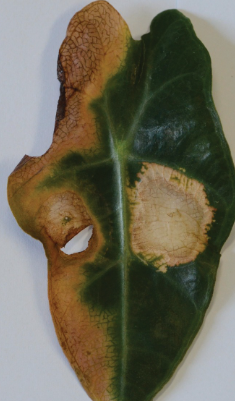
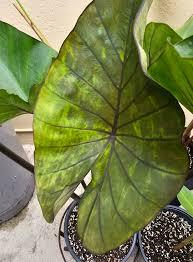
root rot, leaf spot, anthracnose, bacterial leaf blight, spider mites, aphids and mealybugs.
yellowing or drooping leaves, soft or blackened rhizomes, brown or water-soaked leaf spots, leaf curling, leaf edge burn, sticky honeydew, fine webbing and speckling.
ensure well-drained soil and avoid overwatering, remove infected leaves, maintain high humidity with good air circulation, wipe leaves regularly, apply neem oil or insecticidal soap, use diluted hydrogen-peroxide drench for early root problems.